
Honors & Legacy
- Home
- Honors & Legacy
National Awards
Honouring Excellence
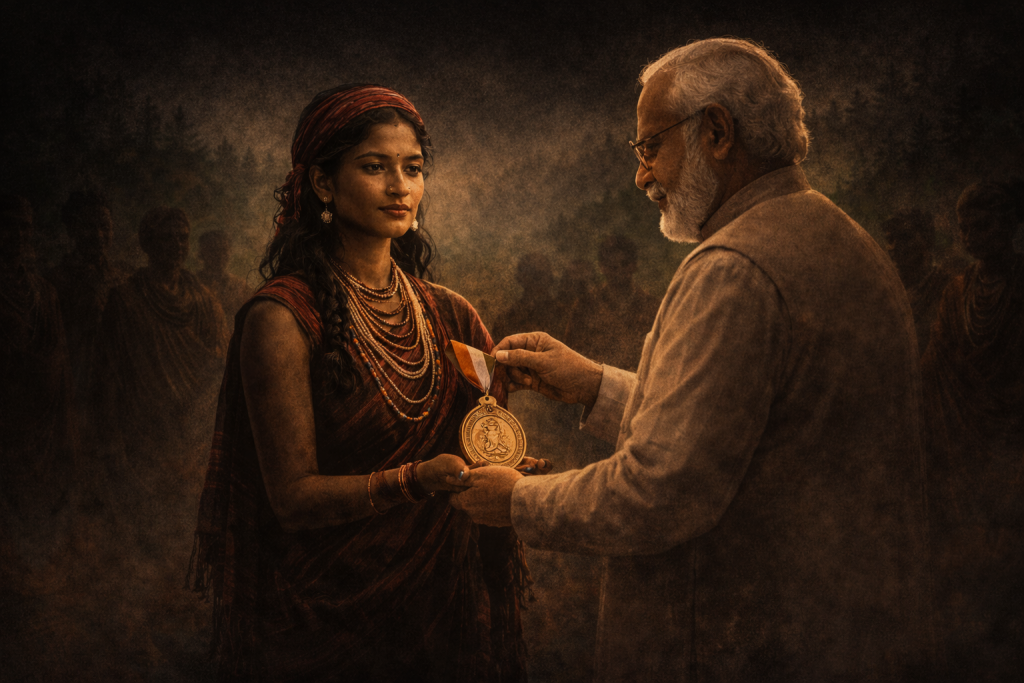
Padma Bhushan
Rani Gaidinliu was awarded the Padma Bhushan, India’s third-highest civilian honor, for her outstanding contribution to the nation. This award recognized her courage, leadership, and lifelong dedication to preserving tribal culture while resisting colonial oppression. It highlighted her role as a national figure who inspired generations through spiritual, cultural, and social leadership.
Tamra Patra
Rani Gaidinliu was awarded the Padma Bhushan, India’s third-highest civilian honor, for her outstanding contribution to the nation. This award recognized her courage, leadership, and lifelong dedication to preserving tribal culture while resisting colonial oppression. It highlighted her role as a national figure who inspired generations through spiritual, cultural, and social leadership.
Legacy Memorials
Honouring Legacy
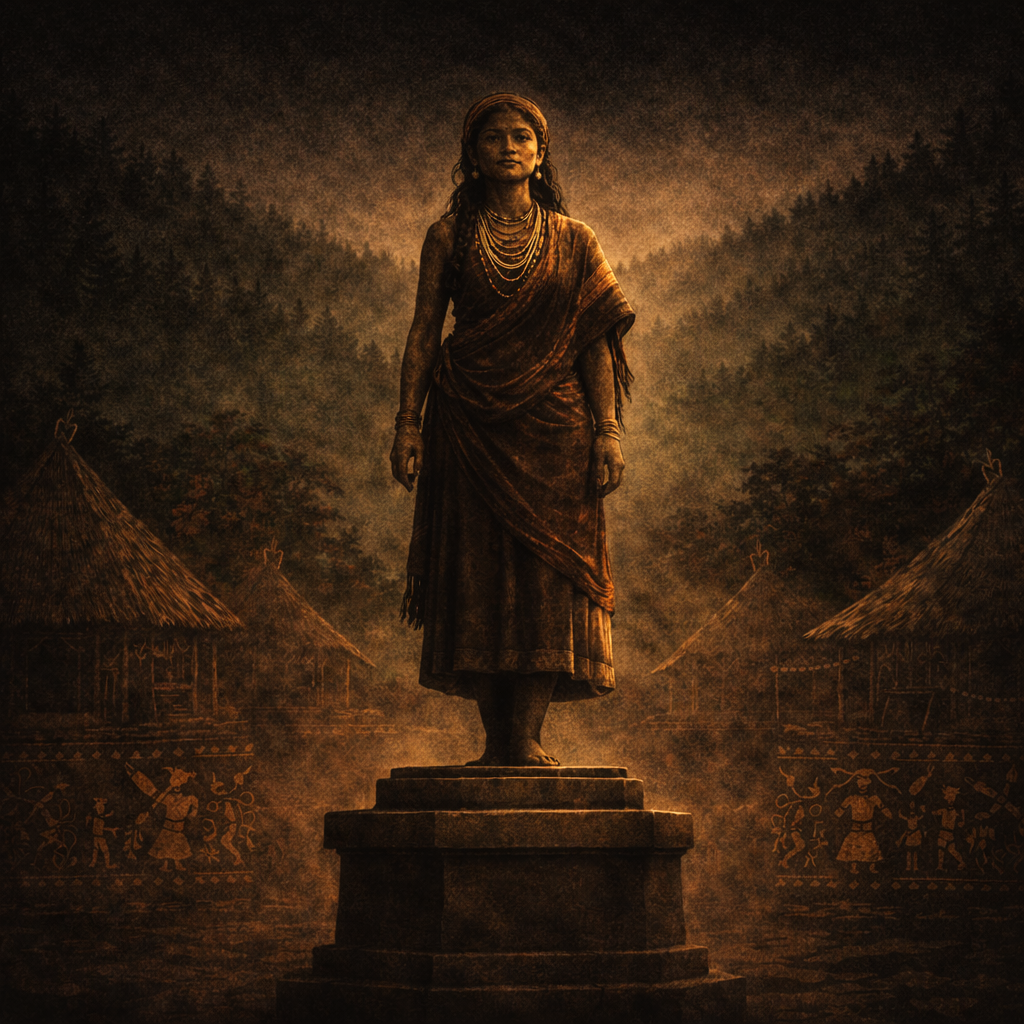
Statues and Monuments
Statues of Rani Gaidinliu have been installed in public spaces across Nagaland and Manipur, serving as enduring symbols of her courage and inspiring tribal communities to remember her legacy.

Educational Institutions
Schools and research centers named after Rani Gaidinliu focus on tribal education, cultural preservation, and historical research, keeping her contributions alive for future generations.
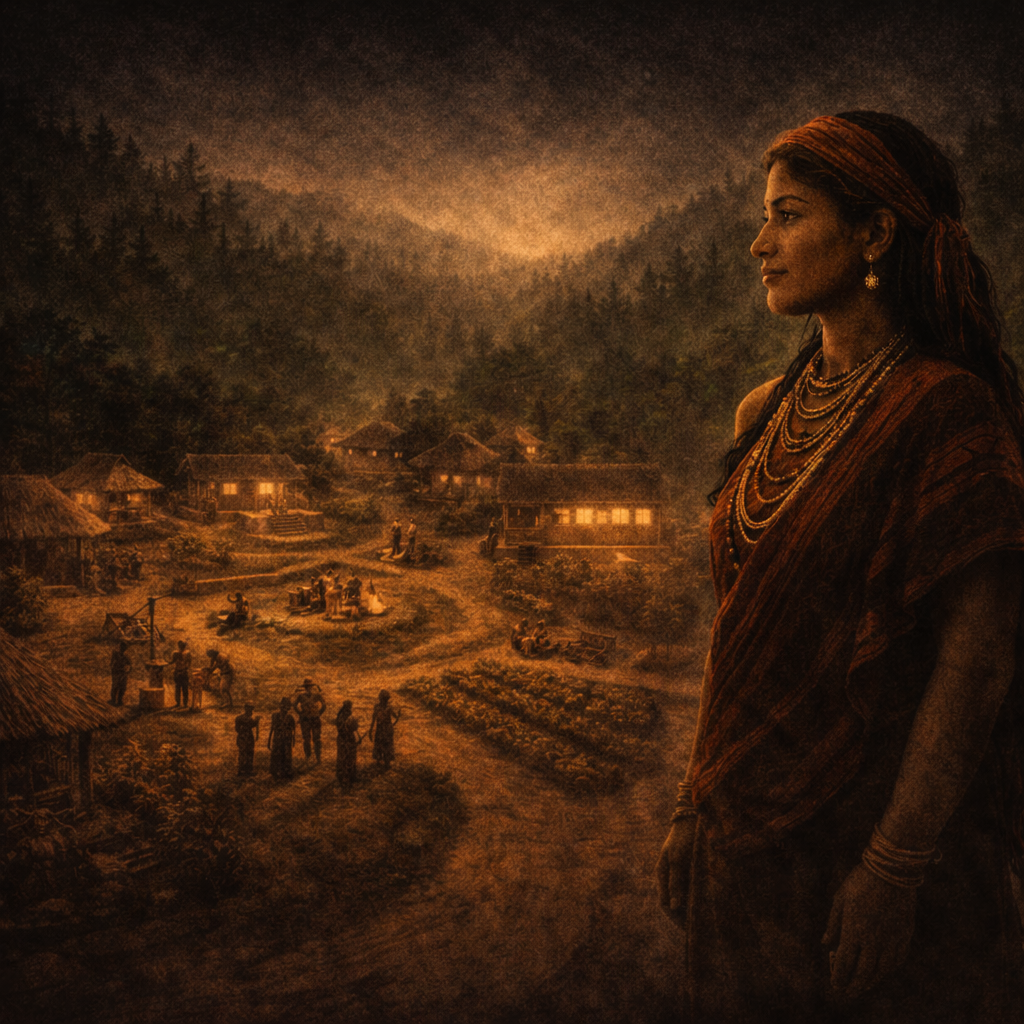
Government Initiatives
Various government initiatives, including community development and tribal welfare projects, bear her name, highlighting her impact on social reform and indigenous empowerment.
Enduring Influence
Impact on Tribal Identity & Women Leadership
Rani Gaidinliu’s life and struggle left a profound impact on tribal identity and women’s leadership across indigenous communities. By asserting cultural pride and spiritual autonomy, she strengthened tribal self-identity during a time of colonial domination. Her leadership demonstrated that indigenous traditions were sources of strength, not obstacles to progress. As a woman leader in a deeply challenging era, she redefined leadership by combining moral authority, resilience, and compassion. Her courage inspired women to step beyond traditional limitations and participate actively in social, spiritual, and political life. She became a role model who proved that leadership transcends gender when guided by conviction and service. Her legacy continues to empower tribal communities and women leaders, reinforcing dignity, confidence, and the belief that identity and leadership rooted in culture can shape lasting change.
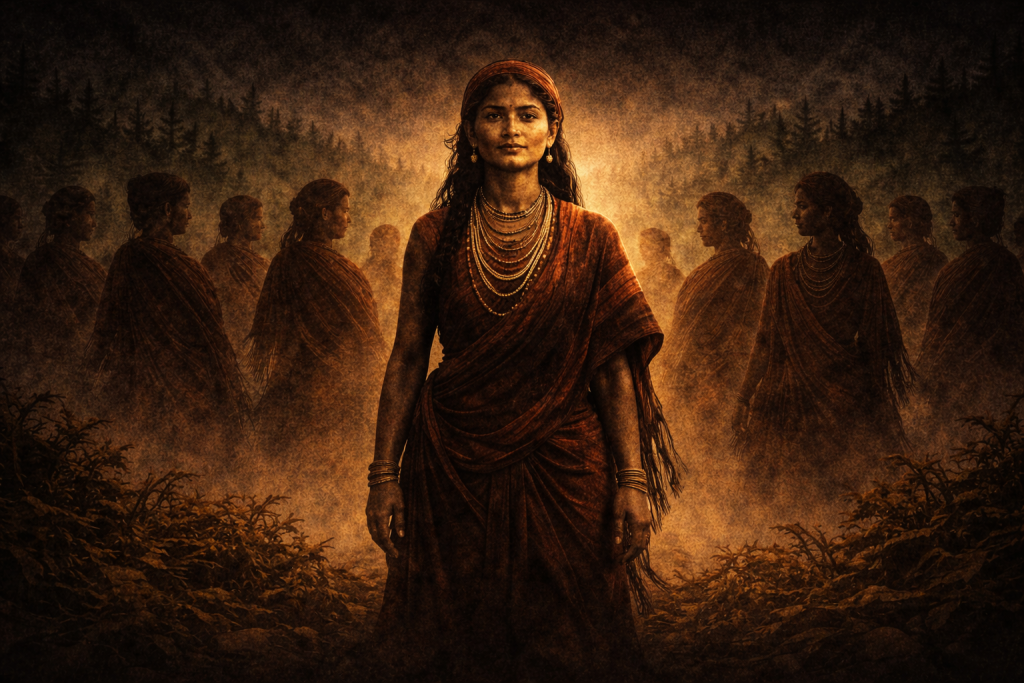
Living Legacy
Influence on Modern Naga History
Rani Gaidinliu’s influence on modern Naga history lies in how she reshaped political and cultural consciousness among indigenous communities. Her resistance against British colonial rule demonstrated that tribal societies possessed agency, leadership, and ideological strength. By challenging external domination, she inspired future generations to assert their rights and dignity. Her struggle highlighted the importance of unity among Naga tribes, encouraging collective identity beyond village boundaries. This sense of shared history later influenced political movements seeking autonomy, recognition, and justice. Her life became a reference point for understanding indigenous resistance as part of India’s broader freedom struggle. In modern historical narratives, she represents the continuity between traditional leadership and emerging political awareness. Her example helped frame Naga history as one of resilience, self-respect, and active participation rather than marginalization.
Culturally, Rani Gaidinliu played a vital role in reinforcing Naga identity during a period of intense transformation. By promoting indigenous faith, customs, and moral discipline, she countered cultural erosion caused by colonial administration and missionary influence. This cultural assertion influenced later efforts to preserve language, rituals, and oral traditions in modern Naga society. Her emphasis on tradition as a source of strength encouraged communities to value their heritage while engaging with change. Modern cultural movements often draw inspiration from her belief that identity must be preserved alongside progress. Her legacy continues to influence cultural education, heritage initiatives, and scholarly research. Through her example, modern Naga history recognizes culture not as a static past, but as a living foundation shaping contemporary identity and collective memory.
Rani Gaidinliu’s life also influenced modern discussions on leadership and resistance within Naga history. Her combination of spiritual authority and social leadership provided an alternative model distinct from conventional political frameworks. This model influenced later leaders who emphasized moral legitimacy, community trust, and grassroots unity. Her endurance during imprisonment reinforced the idea that resistance extended beyond armed struggle to include moral courage and sacrifice. In post-independence discourse, her story became central to debates on tribal autonomy, governance, and self-determination. Scholars and activists view her as a bridge between traditional leadership structures and modern political thought. Her presence in modern historical narratives reinforces the role of indigenous women and spiritual leaders in shaping political awareness and long-term resistance movements.
In contemporary times, Rani Gaidinliu’s influence extends through education, public memory, and regional identity within Naga history. Her story is taught, commemorated, and revisited as a source of inspiration for social unity and cultural pride. Memorials, institutions, and academic works ensure that her contributions remain relevant to modern generations. She stands as a reminder that Naga history is deeply rooted in resistance, faith, and collective resilience. Her life encourages ongoing dialogue about historical justice, indigenous rights, and representation within national narratives. By connecting past struggles to present realities, her legacy continues to shape how Naga history is understood and remembered. Ultimately, her influence affirms the enduring power of indigenous leadership in shaping modern historical consciousness.